The SaaS industry is rife with several challenges, including unproductive workflows, skyrocketing costs, issues with lead qualification, increased time to product adoption, and poor engagement. Traditional marketing methods fall short of meeting the demands of the ever-evolving SaaS landscape.
That’s where marketing automation and AI can be of assistance.
Marketing automation enables SaaS businesses to deliver personalized marketing campaigns that improve product adoption and drive sustainable growth. Moreover, it minimizes errors and frees up time for strategic tasks.
This post aims to share how SaaS marketing automation works and offers best practices that will transform the way your business operates.
TL;DR
SaaS marketing automation = leveraging technology and streamlining repetitive tasks, such as email marketing, lead nurturing, and campaign management.
What it’s not: It doesn’t create content, build relationships, or craft marketing strategies. Humans are still in charge!
Why it matters: B2B SaaS buyers want self-service. SaaS firms aim to scale without adding headcount. Automation reduces friction and improves efficiency.
Marketing automation benefits: Saves time, improves personalization, boosts lead nurturing, delivers data-driven insights, and enhances multi-channel engagement + customer experience.
Implementation
Define GTM strategy (PLG, sales-led, etc.) and ICP tiers.
Map customer journey and lifecycle triggers.
Pick the right automation stack (HubSpot, Marketo, ActiveCampaign, EngageBay, GetResponse).
Build behavior-driven workflows (onboarding, lead nurturing, upsell, win-back).
Measure KPIs and optimize.
Best practices
Set clear goals
Map personas to behaviors
Visualize journeys
Automate repetitive tasks
Don’t go into autopilot mode
Key insights
Leverage AI to achieve personalization at scale.
Beware of data chaos – centralize data using CDP.
Marketing automation is a journey, not the final product.
What is SaaS Marketing Automation?
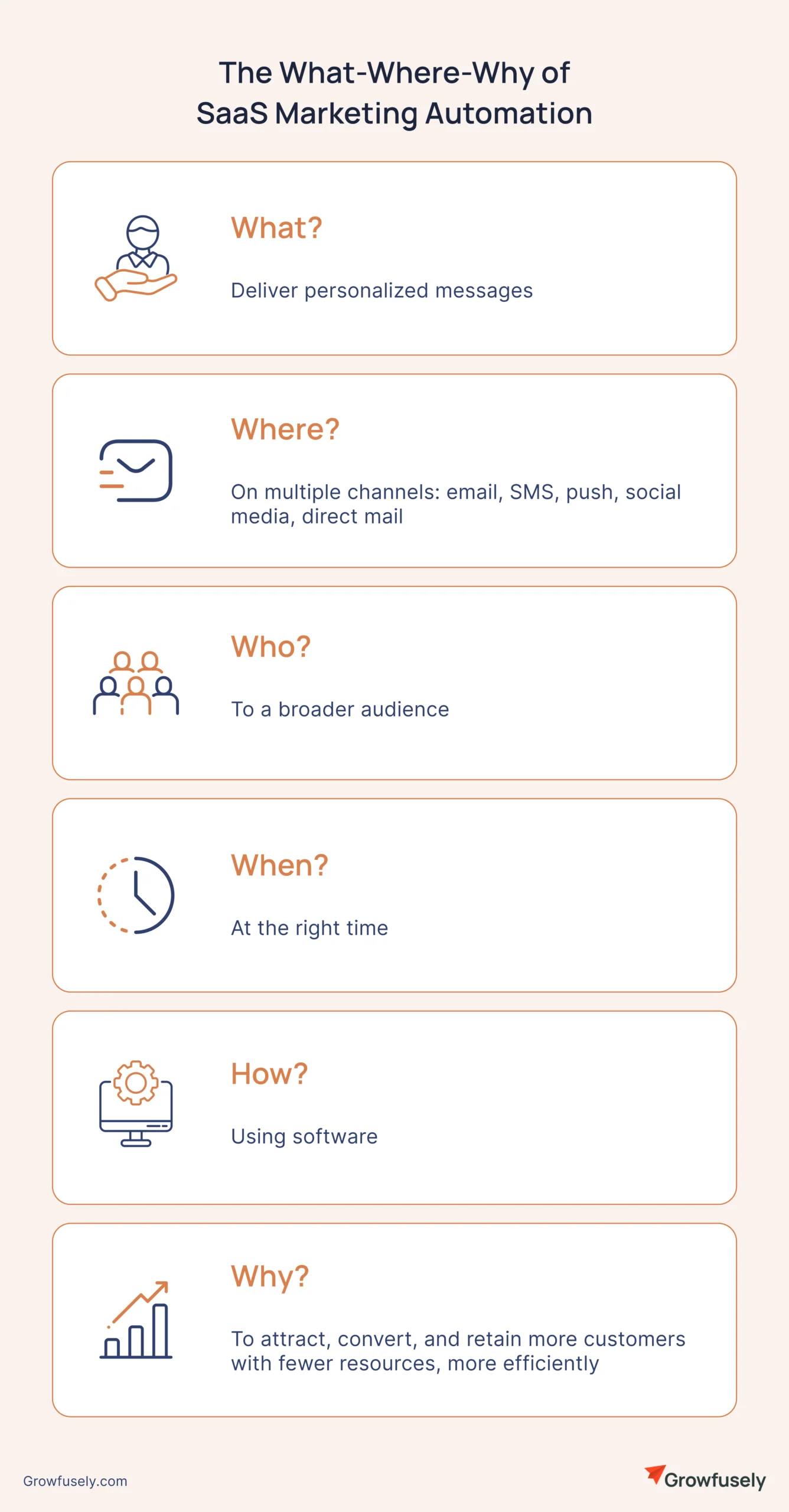
Marketing automation involves applying the latest technology and software to automate repetitive tasks in marketing processes and multifunctional campaigns. For instance, it can automate email follow-ups, lead scoring, or chat prompts without anyone manually hitting ‘Send’ multiple times a day.
It allows SaaS marketers to effortlessly manage multiple channels and marketing activities through a single platform, thereby improving the efficiency of their campaigns.
SaaS marketing automation includes email marketing automation, lead scoring and nurturing, social media management, customer segmentation, CRM, campaign management, personalized marketing, and analytics.
What SaaS marketing automation excludes? Content creation, strategic planning, and relationship building are not a part of marketing automation. For instance, automation tools execute tasks but will not formulate marketing strategies.
Similarly, marketing automation software platforms help with distributing content, but cannot create it. Creation relies heavily on human creativity.
What does SaaS Marketing Automation Do?
Marketing automation for SaaS encompasses a suite of tools designed to streamline the most time-consuming and repetitive tasks associated with modern marketing and sales functions. From automating the lead qualification process to managing campaigns, automation in SaaS is about simplifying various processes.
Through marketing automation, SaaS marketers can implement SaaS digital marketing strategies without manually managing emails, messages, campaigns, and social media posts. Suitable marketing automation tools allow teams to identify the target audience precisely, manage content, and automatically trigger actions based on schedules and customer behavior.
Once a campaign is live, the marketer can focus on strategic tasks, analyze the results, and refine the plan to achieve the desired outcomes.
For instance, marketing automation can help you run targeted advertisements, make effective data-driven decisions, and set up highly personalized email marketing and SaaS content marketing campaigns if that’s what your marketing strategy needs to generate desired results.
Thus, SaaS marketing automation saves time, improves overall efficiency, and drives revenue for businesses.
How does SaaS Marketing Automation Work?
Once you collect all the data through customer interactions like website visits, app usage, social media interactions, and more, you get a 360-degree view of the customer persona.
Marketing automation works on this data to streamline segmentation and customer targeting. It tailors the messaging across email, mobile, web, and social for each customer persona based on their profile and behavior. It does all this at scale.
Say, you are hosting a webinar on a trending topic in the SaaS industry. Here’s how marketing automation works:
Invitation email to the target audience and new leads.
The invitee gets a lead fill-out form to RSVP for the webinar. Once done, the tool adds them to the special email list.
This email list receives a series of emails as part of lead nurturing. For instance, they receive a thank-you email. If they couldn’t attend the webinar, they may receive a recording or even a link to download a case study on the topic.
If the lead downloads the case study, they will be automatically passed on to the sales team for nurturing and taking them down in the funnel.
Now that you know how SaaS marketing automation works, let’s look at its significance in today’s competitive landscape.
Why do You Need SaaS Marketing Automation?
B2B buyers are self-reliant and want minimal interference from the sales teams during the decision-making process. A recent Gartner Sales Survey finds that 61% of B2B buyers prefer a rep-free buying experience. Buyers prefer digital self-service when looking for general information or researching a product or service.
Moreover, as a SaaS business grows, one of the most common challenges it faces is scaling effectively. Scaling is accompanied by infrastructure and operational demands. From managing growth in user traffic to ensuring smooth onboarding, most SaaS firms are unprepared for the growing needs, primarily due to a lack of technical expertise.
Finally, most SaaS firms are lean and cannot afford to add headcount for every initiative, like driving customer acquisition, outreach, onboarding, and customer retention.
Marketing automation enables SaaS firms to overcome these challenges by streamlining processes, including lead nurturing, customer onboarding, billing, and payment processing. Marketing automation for SaaS reduces human error, improves efficiency, and allows a marketing automation strategist to focus on high-return tasks.
Thus, marketing automation enables SaaS teams to deliver the right message at the right time, measure what matters, and scale their processes without linear increases in headcount.
Next, let’s look at the value SaaS marketing automation brings to the table.
6 Benefits of Marketing Automation for SaaS
In the SaaS domain, marketing automation provides several tailored solutions that address the unique challenges faced by subscription-based business models. It offers advanced features, such as customer segmentation, behavior-based triggers, and personalized messaging, necessary to nurture leads and retain subscribers.
Effective marketing automation services in SaaS play a crucial role in driving revenue growth and reducing customer churn. Here’s why every SaaS business needs to invest in marketing automation.
Increased Efficiency
By automating repetitive tasks and processes, marketing automation saves time and resources, allowing teams to focus on core business functions and prioritize strategic initiatives.
For instance, in email marketing, automation can consistently send targeted emails to recipients at specific intervals.
Enhanced Personalization
Marketing automation allows personalization at scale. It utilizes customer data to segment and tailor messages, delivering them to the right people at the right time.
For instance, a B2B SaaS firm offering project management software can automate its marketing based on a lead’s industry.
Improved Lead Generation and Management
Automation tools streamline the sales funnel management process by effortlessly tracking customer behavior and interactions. This helps with accurate lead scoring and nurturing, ensuring that sales teams focus on qualified leads.
For instance, a software firm can automate the entire process, from lead capture to nurturing them with educational content, until they are finally ready to speak with a sales representative.
Using automation, teams can nurture leads and move them further down the funnel through targeted SaaS content marketing and timely follow-ups.
Data-Driven Insights and Decisions
Marketing automation software platforms offer detailed analytics and recommendations, allowing businesses to track performance and make informed decisions.
For instance, a fitness software company can analyze data to determine the most effective marketing channel for generating leads and allocate budgets accordingly.
Enhanced Multi-Channel Engagement
Multi-channel engagement ensures a seamless and engaging experience for prospects across platforms, guiding them towards conversion. However, many B2B SaaS companies struggle to get this right because their efforts are often disjointed.
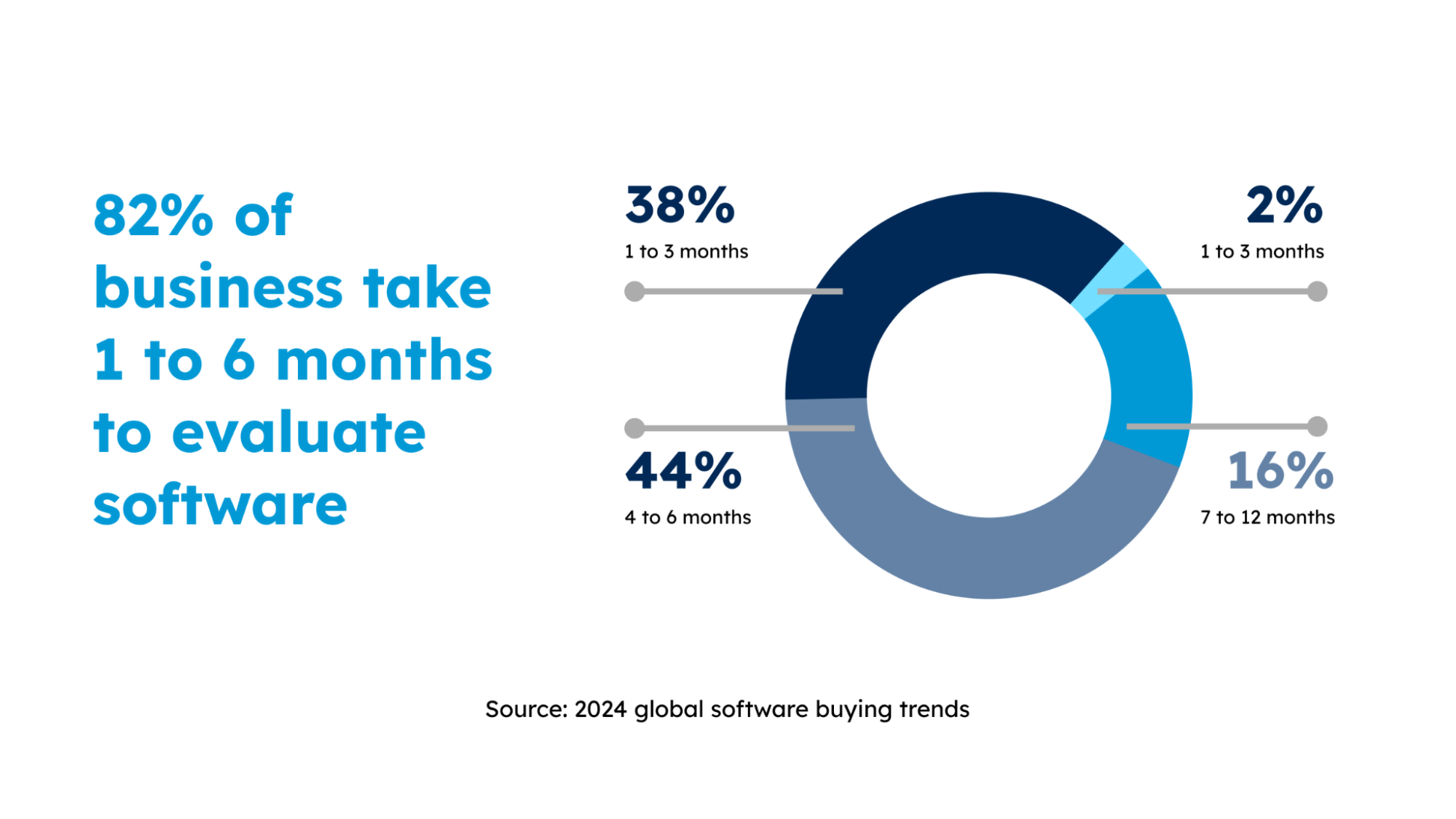
Gartner reveals that, on average, the evaluation process in SaaS purchases takes around 5 months. Saas buyers carefully compare an average of 4 different providers.
Source 2024 Global Software Buying Trends by Gartner
With such a long sales cycle, it is crucial to stay top of mind with a clear value proposition that resonates long after the customer first encounters your brand.
Marketing automation enables this by creating a seamless experience for customers, thereby enhancing their journey with the brand.
Improved Customer Experience
Since marketing automation enables brands to deliver personalized and timely communication at scale, it enhances the overall customer experience. Customers receive the most relevant content tailored to their specific pain points, behavior, and preferences.
Now that we are clear on why SaaS brands need marketing automation, let’s get to the how. In the following sections, we will dissect how to approach SaaS marketing automation, offering you a clear and actionable roadmap for automation success.
How to Define Your Strategy before Investing in Tools
Before investing in the tools your business needs, lock in your GTM (go-to-market) strategy. Begin by choosing your growth motion for your GTM.
PLG motion (product-led growth): It is a growth strategy that focuses on using the product itself as the main driver of growth. The scoring and routing hinge on in-app behavior.
Sales-assisted motion: It unlocks growth opportunities where PLG alone cannot. The approach blends usage signals with sales rep outreach.
Sales-led motion: It relies on sales teams to nurture leads and close deals. This is popular in the enterprise software domain. It depends on the firmographic intent and the qualification of the SDR (Sales Development Representative).
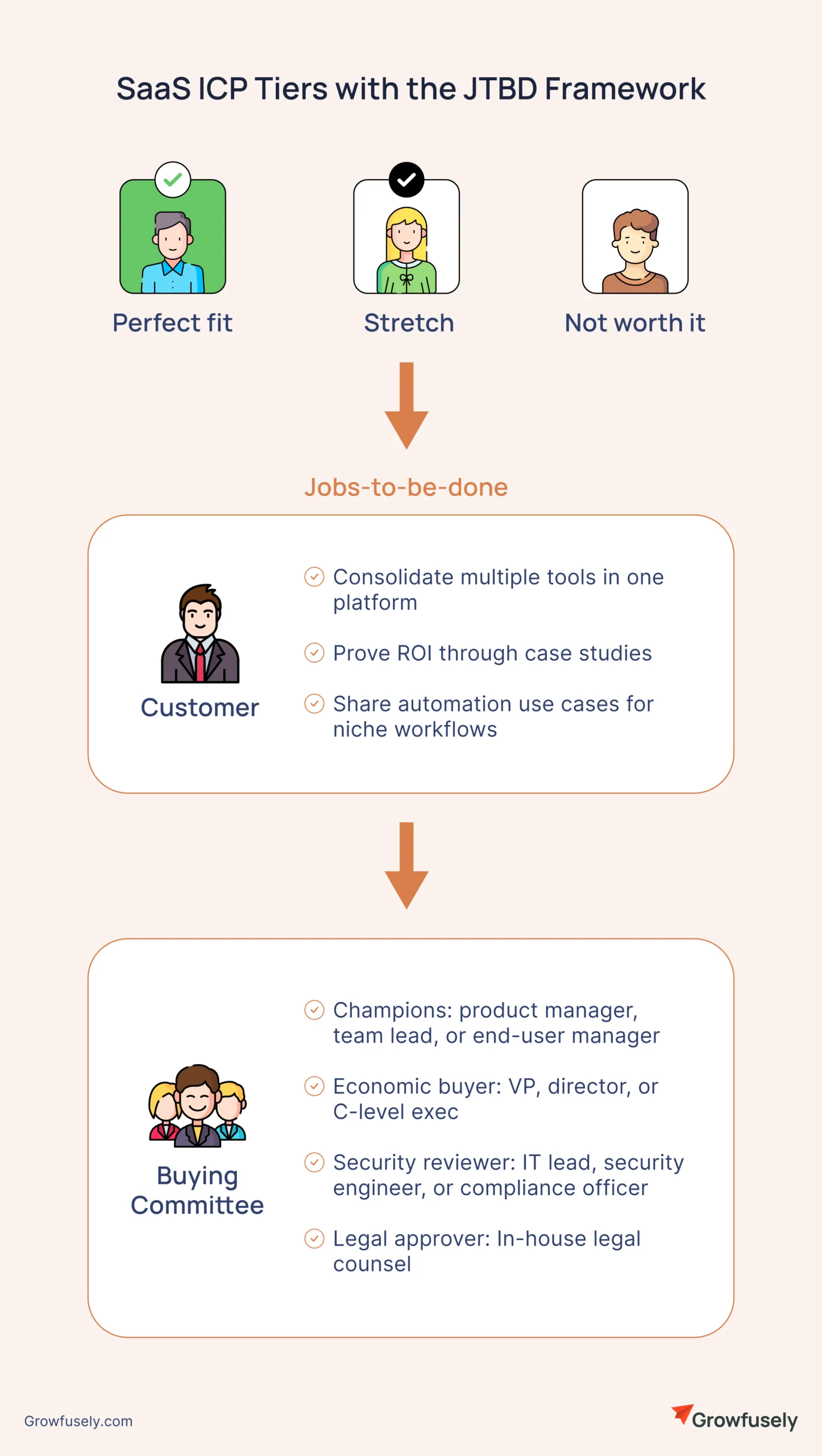
Once you have determined the growth motion for your SaaS business, define your ideal customer profile (ICP) tiers.
Which prospect is a perfect product fit
Which segment seems like a stretch
Which segment is definitely not worth pursuing
Map each of these segments in the Jobs-To-Be-Done (JTBD) framework and outline the buying committee (who control the budget, approve tools, or champion adoption). This will help in ensuring that the messaging and nurturing efforts align with their interests and goals.
Here’s an illustration to explain this better.
Tie the JTBD framework to the funnel-mapped KPIs to guide resource allocation and campaign priorities — focusing on revenue impact rather than vanity metrics, using benchmarks to keep targets realistic.
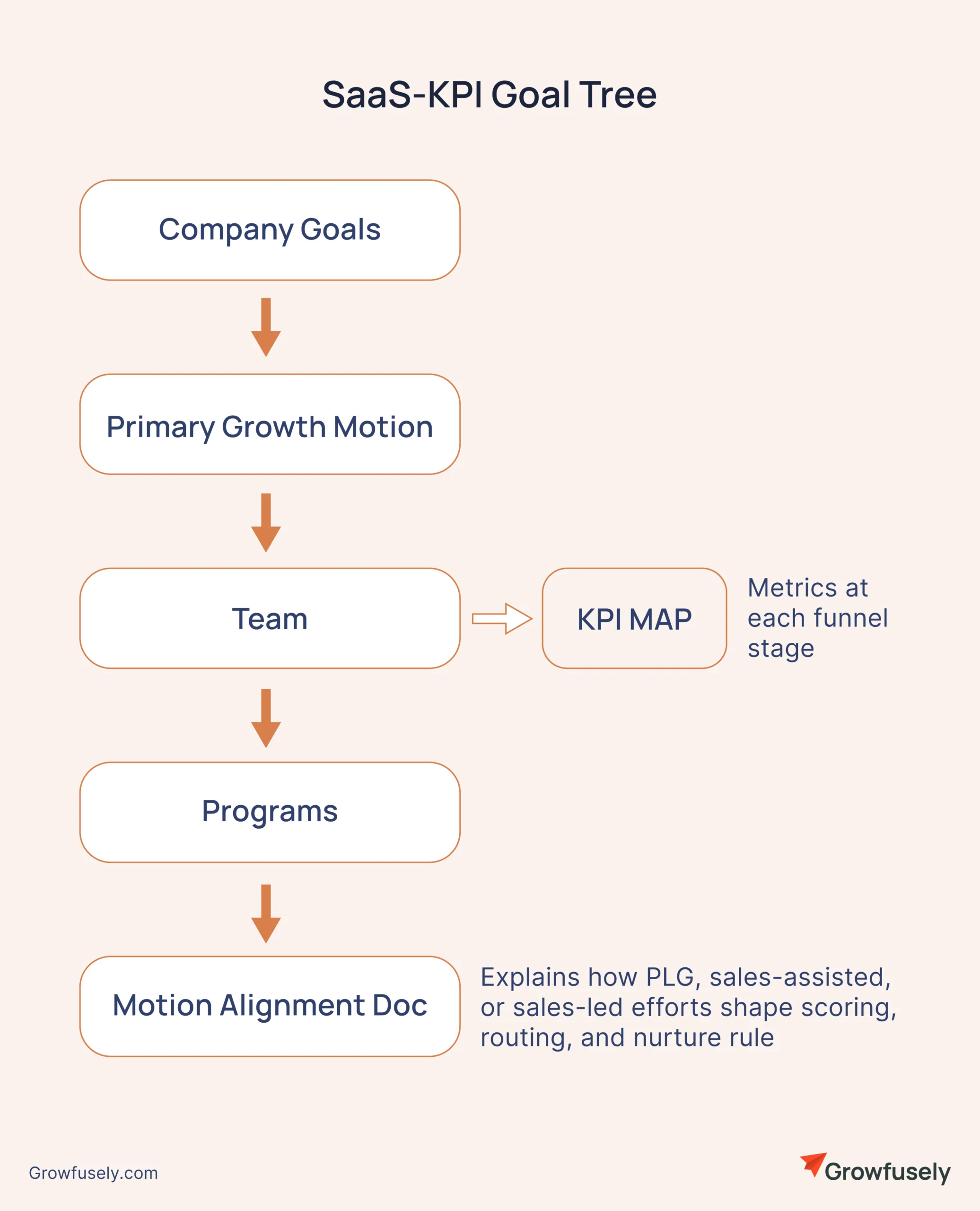
The output is a goal tree that structures how to organize and act on the defined metrics. The goal tree will look something like this illustration, taking your team from ‘what should we measure?’ to ‘how does every team align to hit those numbers?’
The team is the department or cross-functional group that owns pieces of the motion—for instance, Marketing, Sales, Customer Success, or Product Growth.
The KPIs map displays the metrics for each stage, ensuring that every team knows what success looks like.
Programs and campaigns are initiatives, such as lead nurturing workflows and onboarding sequences.
The motion alignment document shows how the chosen growth motion influences scoring, routing, and nurture playbooks.
With all these parameters in place, you will be able to build a solid foundation for automation, instead of relying on random decisions.
How to Map a Standard SaaS Lifecycle?
Now it’s time to visualize the entire SaaS customer journey, from the first website visit to the renewal stage.
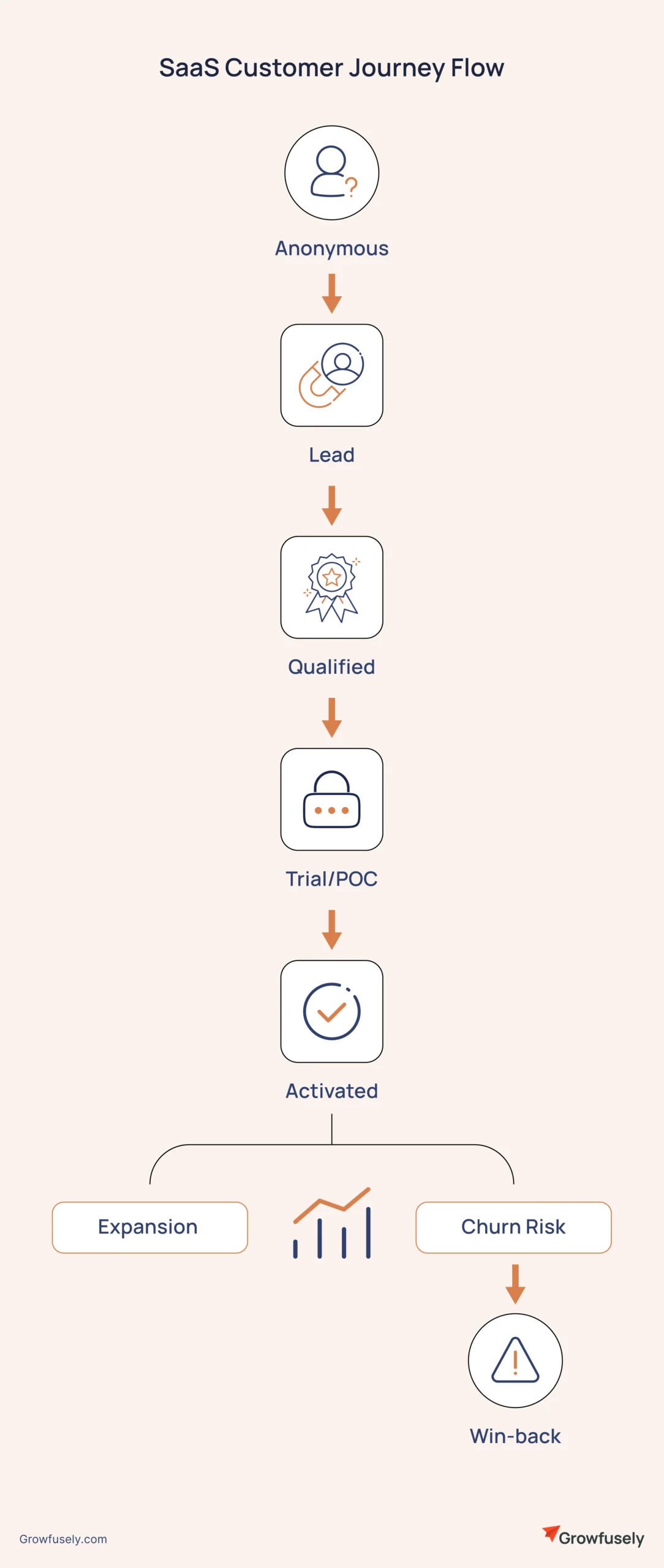
For instance, here is a SaaS customer journey flow showing the broad stages.
First visit -> Lead -> Qualified lead (MQL) -> Trial -> Paid -> Expansion / Churn (win-back)
For each stage, define key events and triggers that indicate real progress. These milestones will enable marketing automation software platforms to track and score leads, as well as deliver timely nudges.
So, now you have a SaaS lifecycle diagram paired with a trigger or user action. This serves as a shared reference for the marketing, sales, and product teams.
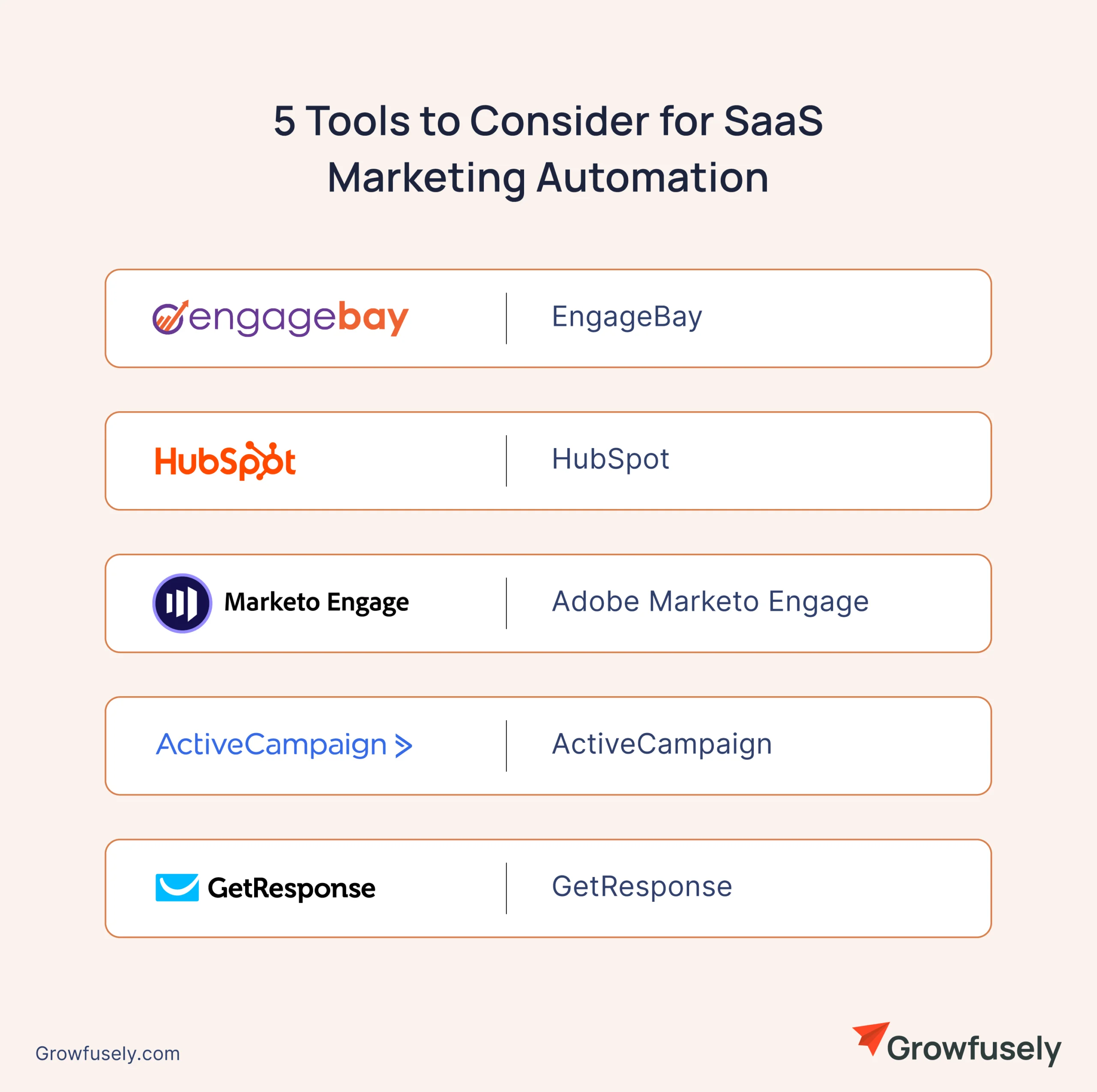
How to Build an Automation Stack: 5 Tools to Consider
With the strategy, ICP, and KPIs mapped, you need to select the right tools. The goal is to build a SaaS marketing automation stack that aligns with your growth trajectory and integrates seamlessly across marketing and sales data.
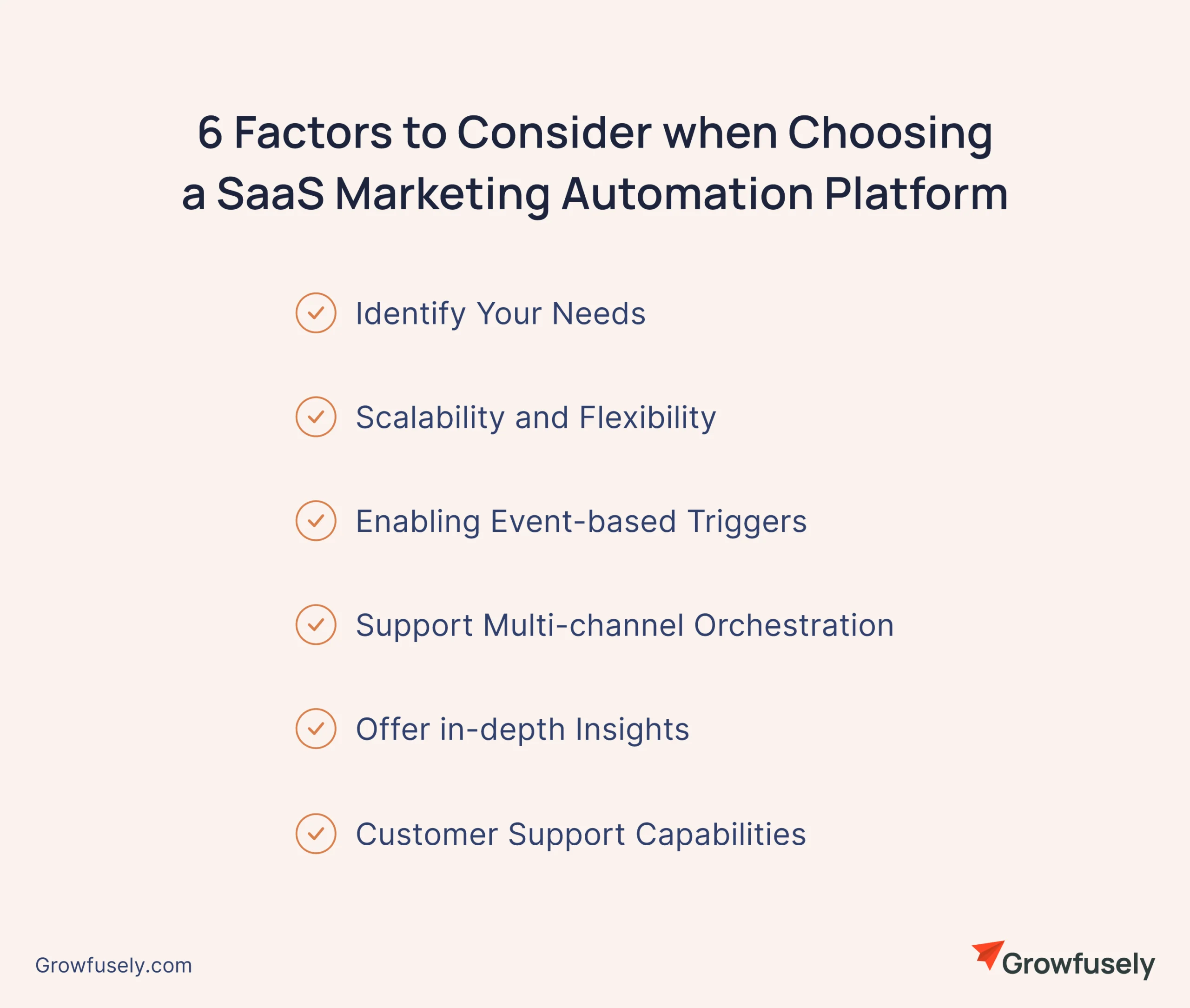
Here are 6 factors you must consider when looking for an ideal platform.
Identify your needs: Determine your marketing goals and the features required to help you achieve them. The tool you choose should align with your overall SaaS marketing strategy.
Scalability and Flexibility: The tool you choose must adapt to the evolving needs of your business.
Enabling event-based triggers: The platform must allow you to move beyond list uploads and static segments, and orchestrate messaging based on user behavior or triggers.
Support multi-channel orchestration: It should allow you to work with email, in-app, chat, SMS, retargeting ads, and more, all coordinated in one flow.
Offer in-depth insights: It should be equipped with predictive scoring, content recommendations, generative workflows, and other advanced features.
Customer support capabilities: Look for a platform that offers reliable customer support with quick responsiveness and access to resources.
The right marketing automation stack will fit your motion, not dictate it. HubSpot and Marketo are the popular options for traditional lead routing and B2B workflows.
Document your business’s requirements and goals. For instance, consider the data source, team workflow, and KPIs per stage, and score vendors on their closeness to your expectations.
To help you make an informed decision, we have five recommendations for you.
5 Best SaaS Marketing Automation Tools You Should Know About
Let’s look at the most popular and best automation tools for marketing SaaS businesses:
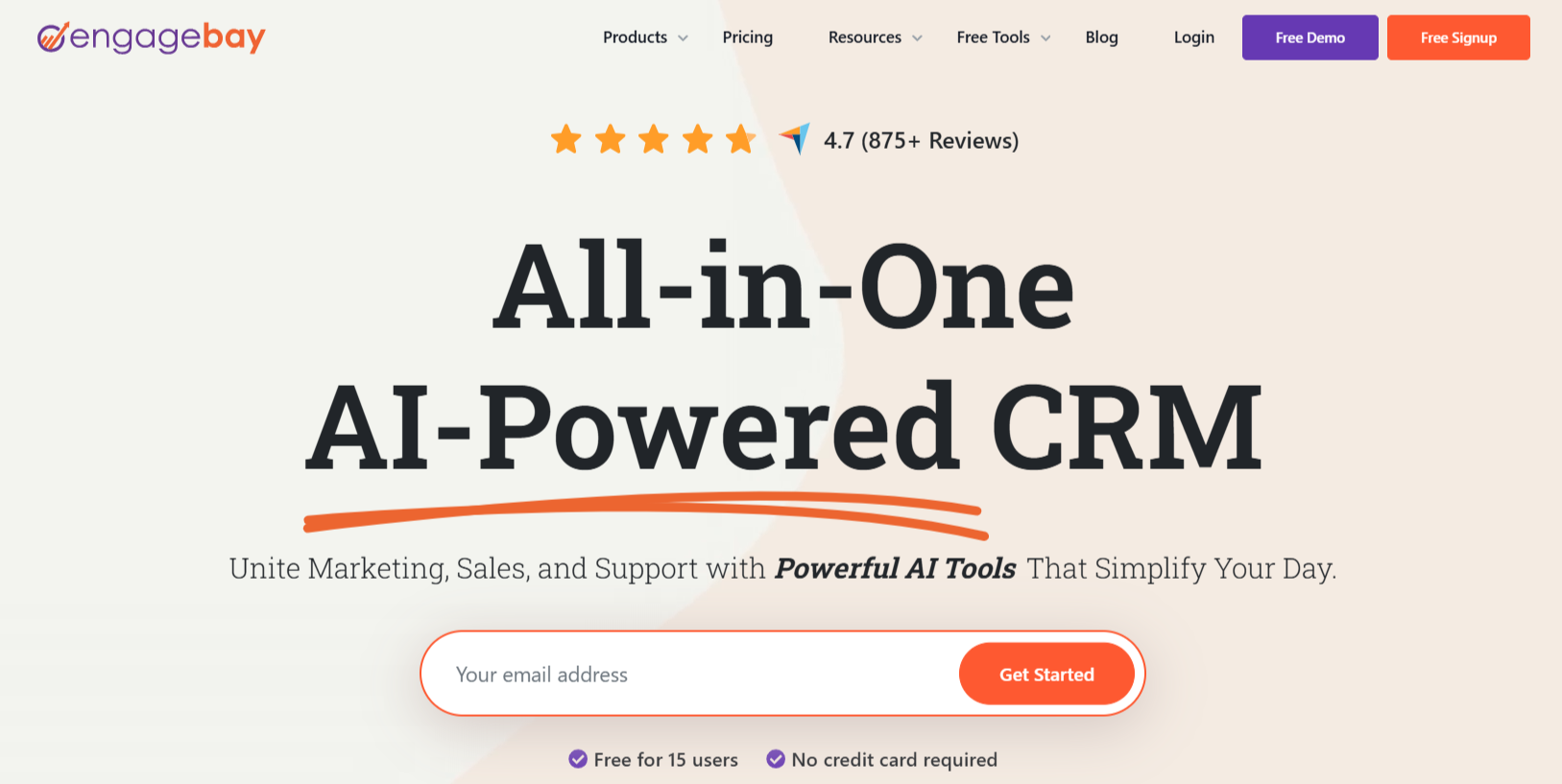
1. EngageBay
EngageBay is an all-in-one CRM and marketing automation platform designed for SaaS businesses, startups, and growing businesses. It is a comprehensive and integrated solution that combines marketing, sales, and support functions.
The platform helps businesses automate processes by combining lead generation, email marketing, marketing SaaS automation, CRM & social media engagement, helpdesk, and ticketing.
Key Features
Email Marketing Landing Pages Marketing Automation Web Forms SMS Marketing Social Suite CRM & Sales Automation Contact Management Deal Management Appointment Scheduling
Task Management Lead Scoring Email Sequences Push Notifications Site Messaging Customer Segmentation A/B Testing Analytics & Reporting Custom Reporting Third Party Integrations
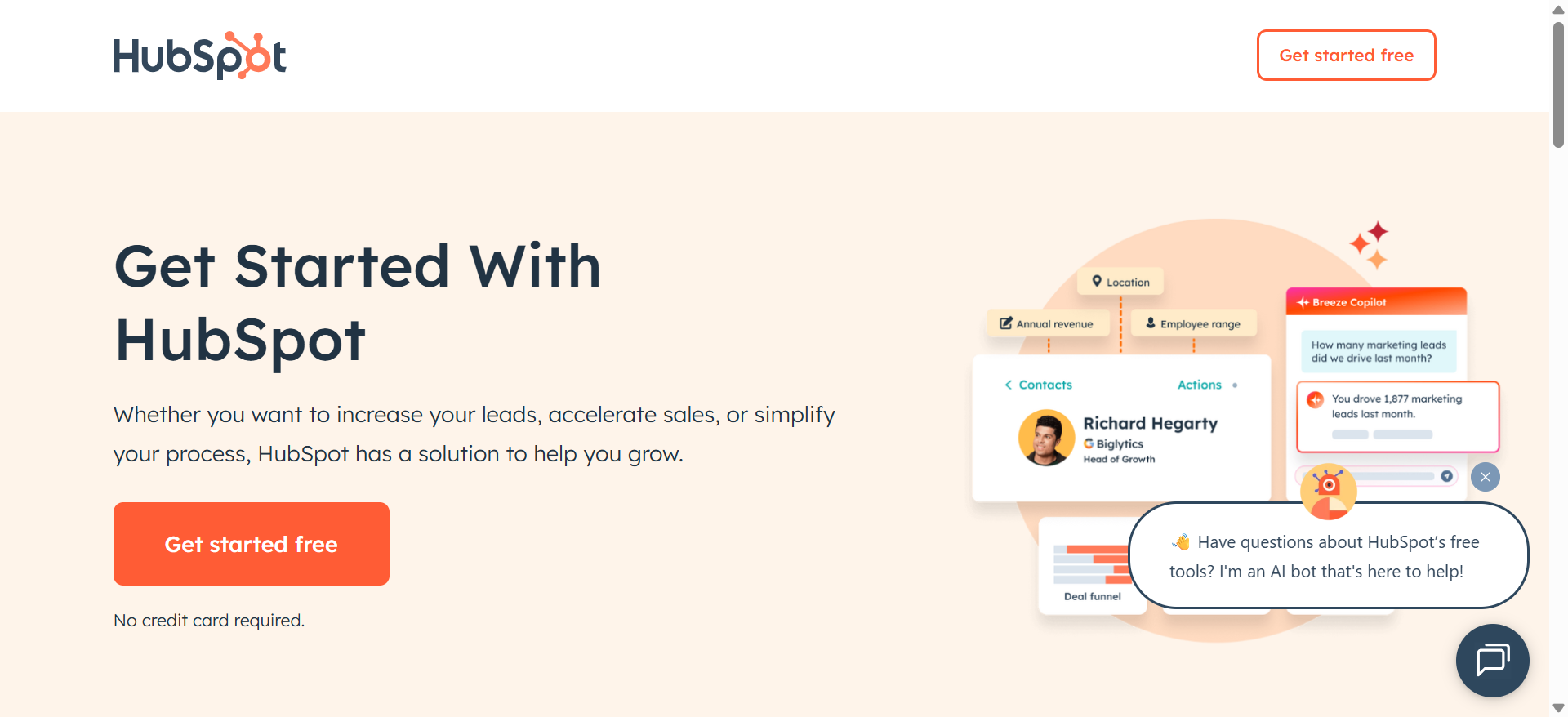
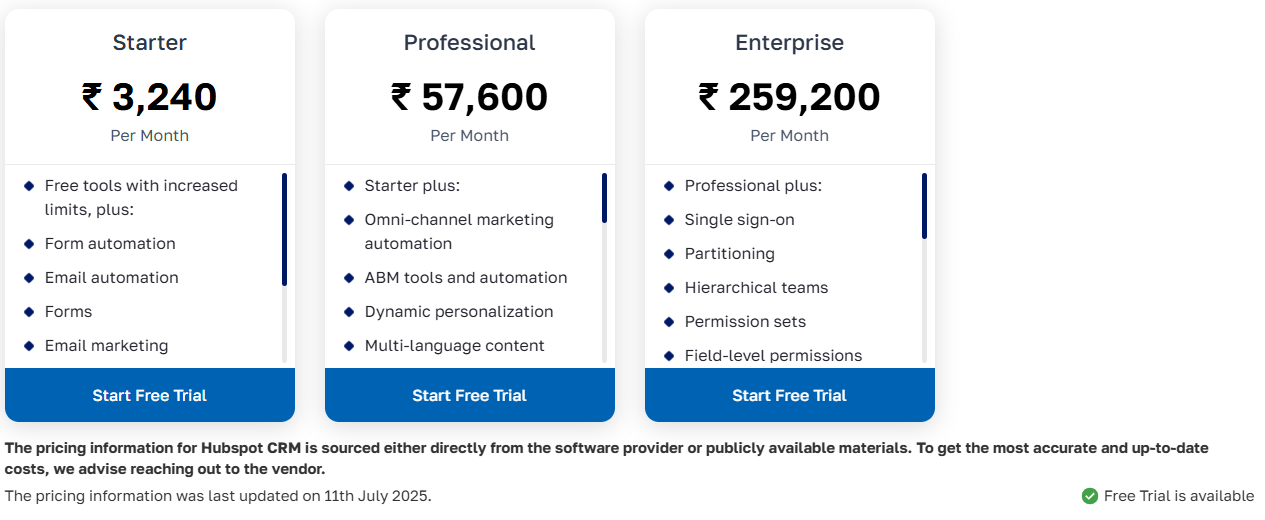
HubSpot is a popular marketing automation SaaS platform that helps businesses maintain a complete view of each lead and touchpoint. The platform’s lead scoring system enables sales teams to reduce the effort required to filter out the hot leads.
Its CRM tool keeps an eye on each lead, allows touchpoints with specific leads, and tracks the lead status. HubSpot offers a wide range of automation capabilities. However, many advanced features are only available in its higher-tier plans.
Key Features
Contact Management Email Integration Sales Pipeline Management Lead Management Marketing Automation Reporting And Analytics Task Management Document Management Meeting Scheduling Live Chat Customizable Dashboards Email Tracking Deal Tracking Workflow Automation Mobile Access Social Media Integration Customer Support Ticketing
Custom Fields Sales Forecasting Integration with Third-Party Apps Contact Manager CRM & Sales Dashboards CRM Analytics Customer Support Email Marketing / SMS Marketing Email Templates Inventory Management Knowledge Management Marketing Analytics Performance Management Project Management Supplier And Purchase Order Management And more
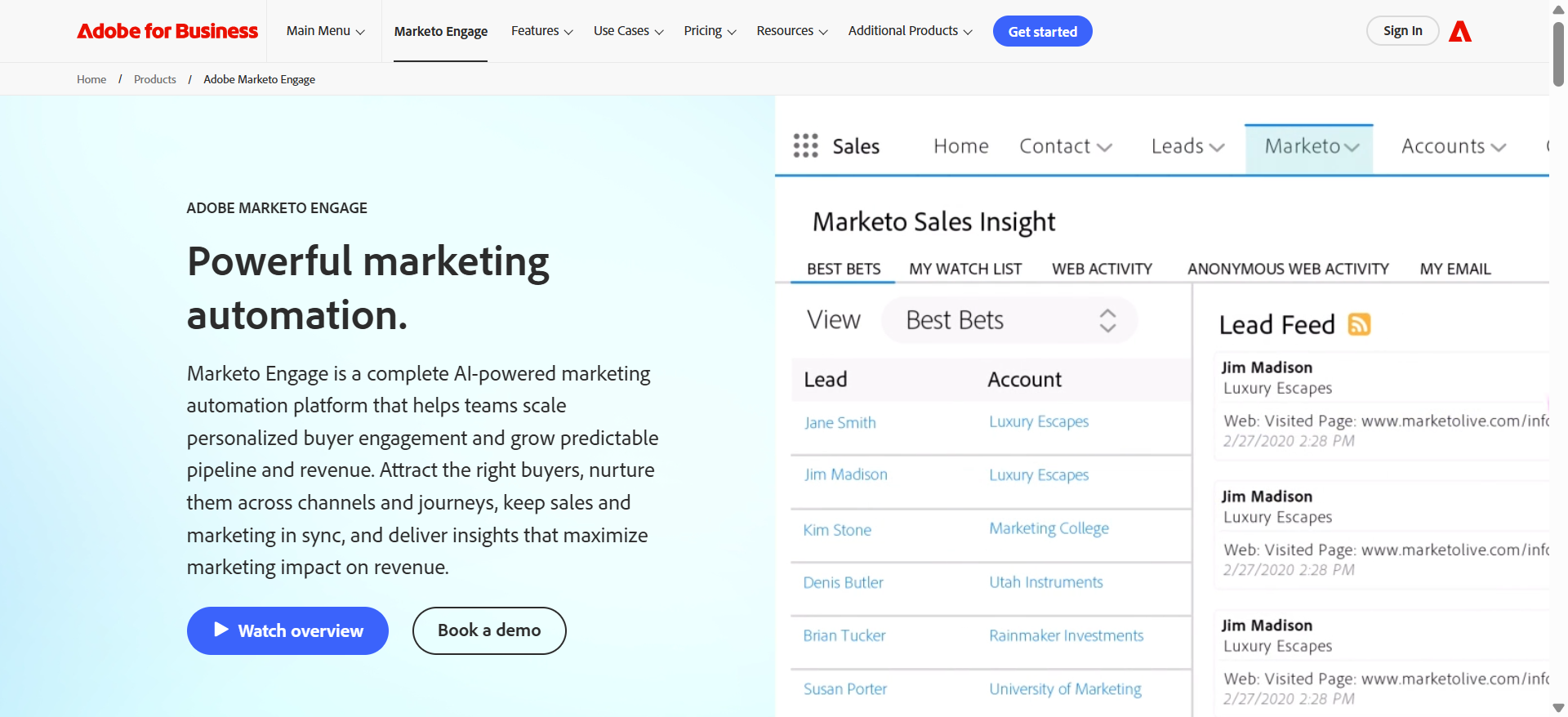
Adobe Marketo Engage is a comprehensive marketing SaaS automation platform that helps businesses build and scale automated marketing campaigns across various channels. The platform features include impressive capabilities for lead management, email marketing, analytics, and personalization.
It enables marketers to attract the right buyers, nurture them across multiple channels, keep sales and marketing teams aligned, and deliver insights to maximize revenue.
Key Features
Email Automation A/B Testing Personalization Segmentation Analytics And Reporting Lead Scoring Dynamic Content Landing Pages Forms CRM Integration
Campaign Management Drip Campaigns Behavior Tracking Mobile Optimization Email Templates Deliverability Tools Event Marketing Social Media Integration Api Access Compliance Management
Pricing
Adobe offers customized pricing for Marketo Engage. You can share your specific business requirements and goals with them to get a tailored quote.
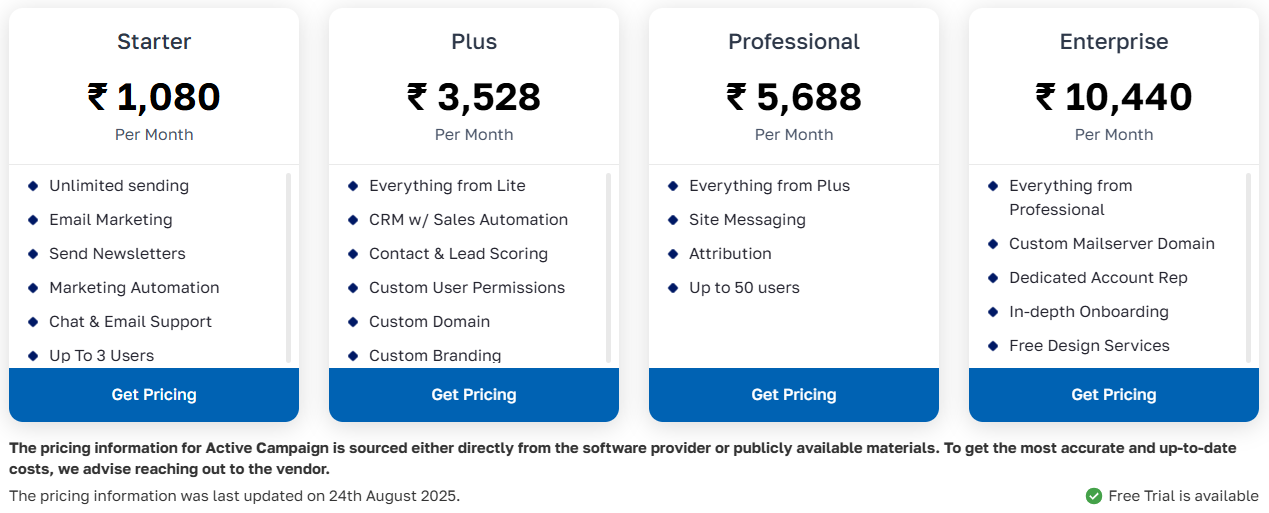
4. ActiveCampaign
ActiveCampaign combines multiple aspects of marketing into a single and easy-to-use interface. The platform is ideal for beginners in inbound marketing and marketing automation.
The marketing automation software platform offers several CRM functionalities, including email marketing, lead scoring, and web analytics, that help businesses of all sizes achieve better results with their marketing campaigns.
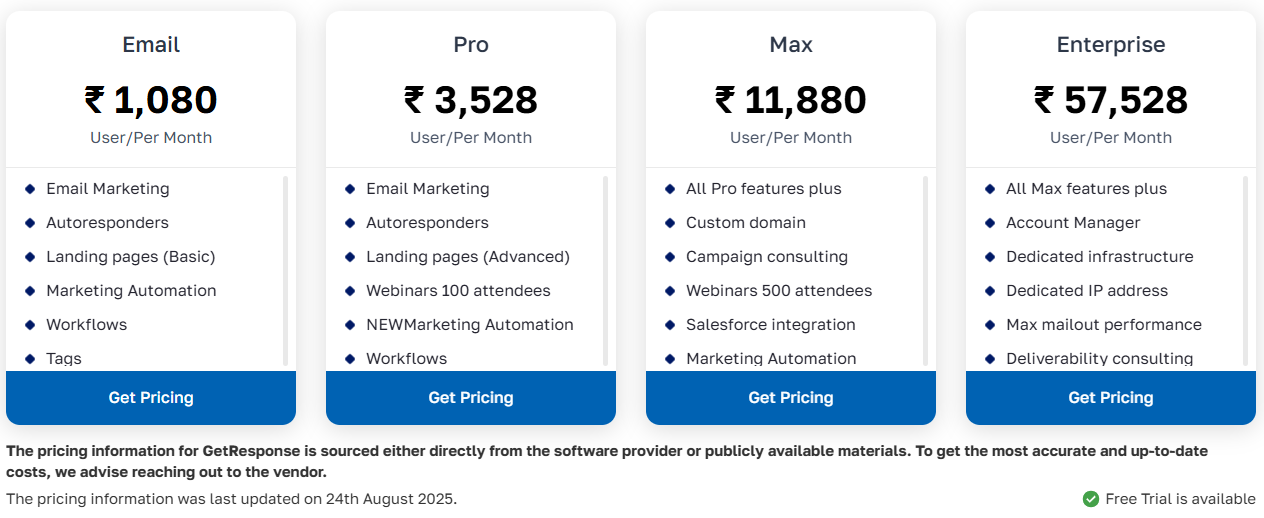
GetResponse is an email marketing and automation platform designed to convert contacts into customers. Besides, it offers tools for webinars and sales funnel management. The platform is ideal for mid-sized and large businesses looking for advanced tools and dedicated support.
The all-in-one marketing platform allows businesses to manage campaigns and communications efficiently across multiple channels.
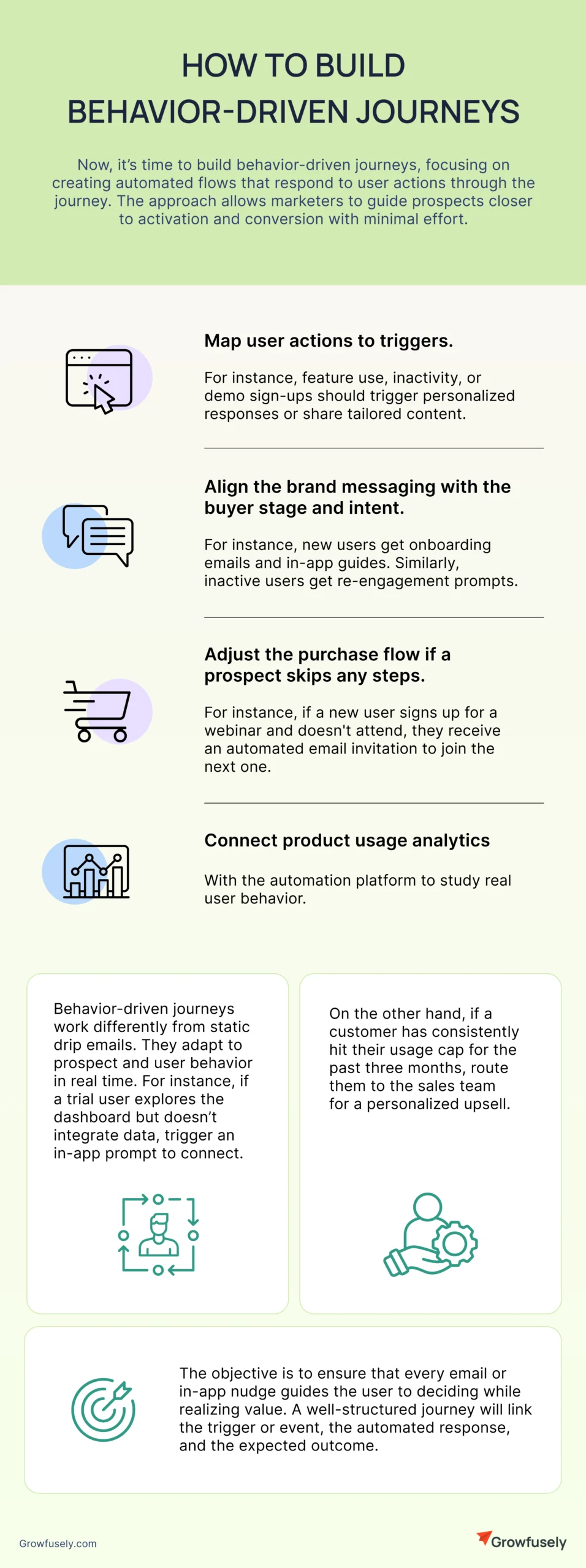
Now, it’s time to build behavior-driven journeys, focusing on creating automated flows that respond to user actions through the journey. The approach allows marketers to guide prospects closer to activation and conversion with minimal effort.
Here are a few points to remember when structuring behavior-driven journeys.
Map user actions to triggers. For instance, feature use, inactivity, or demo sign-ups should trigger personalized responses or share tailored content.
Align the brand messaging with the buyer stage and intent. For instance, new users get onboarding emails and in-app guides. Similarly, inactive users get re-engagement prompts.
Adjust the purchase flow if a prospect skips any steps. For instance, if a new user signs up for a webinar and doesn’t attend, they receive an automated email invitation to join the next one.
Connect product usage analytics with the automation platform to study real user behavior.
Behavior-driven journeys work differently from static drip emails. They adapt to prospect and user behavior in real time. For instance, if a trial user explores the dashboard but doesn’t integrate data, trigger an in-app prompt to connect.
On the other hand, if a customer has consistently hit their usage cap for the past three months, route them to the sales team for a personalized upsell.
The objective is to ensure that every email or in-app nudge guides the user to deciding while realizing value. A well-structured journey will link the trigger or event, the automated response, and the expected outcome.
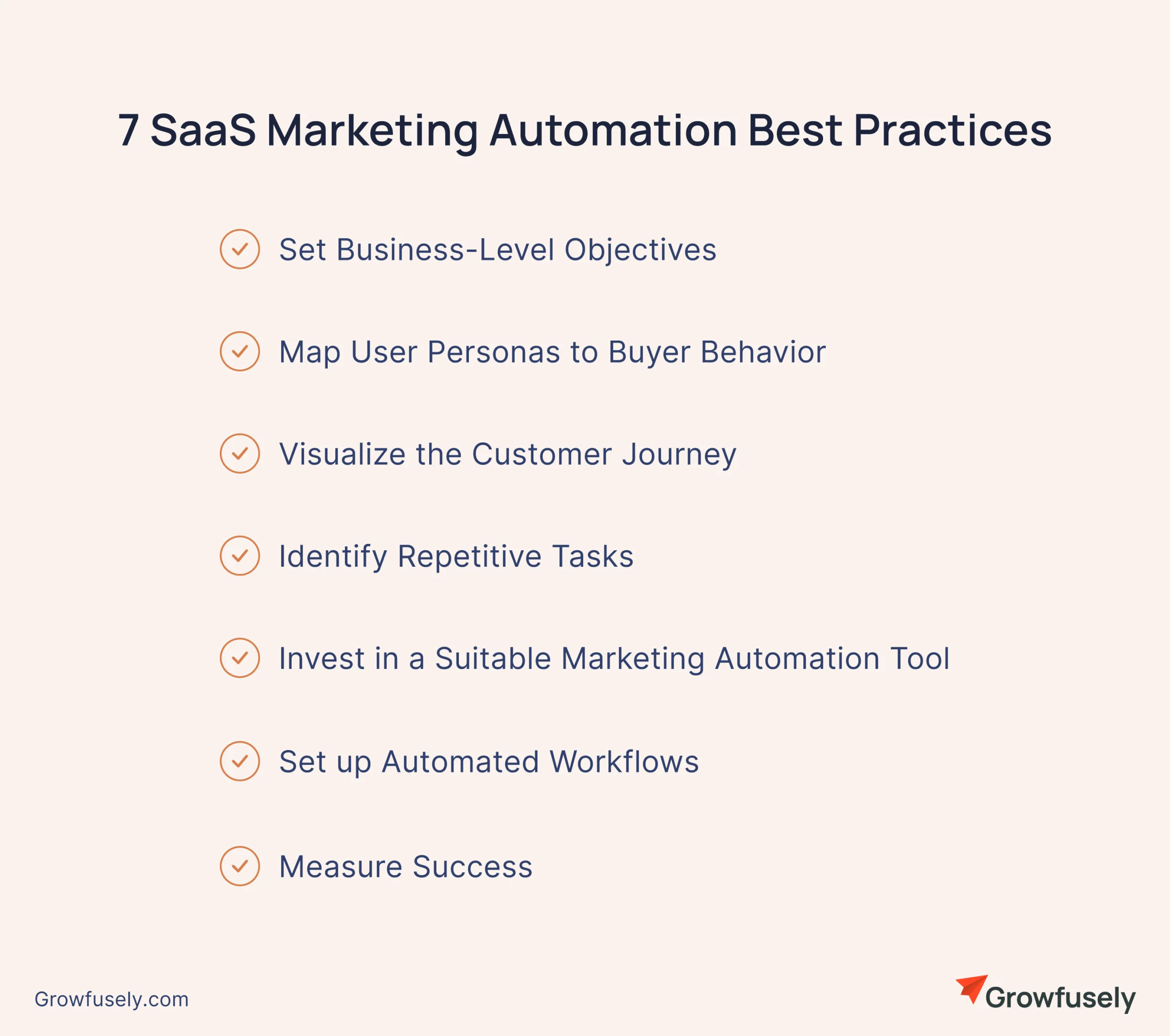
7 SaaS Marketing Automation Best Practices
1. Set Business-Level Objectives
Set the outcome you expect from the marketing SaaS automation implementation. Opt for objectives that directly relate to revenue and retention.
For instance, ‘to increase the demo-to-paid conversion rate by 15% in Q3’ is a clear objective versus ‘to send 10 onboarding emails in a week.’
Setting clear objectives keeps automation efforts aligned with the real business impact. This prevents scattershot campaigns that feel great but do not drive real value.
2. Map User Personas to Buyer Behavior
When mapping buyer personas, break down high-level personas or ideal customer profiles (ICPs) into various segments. For instance, perfect fit, stretch, and low fit (discussed earlier in Section I – Defining Strategy before Investing in Tools).
Add JTBD (jobs to be done), objections, buying committee, and preferred channels for each segment.
For instance, in the buying committee, a champion like a product manager will find value in in-app content such as feature tips.
On the other hand, an economic buyer like a C-suite executive who is concerned about ROI benchmarks will appreciate receiving such content via email.
Mapping personas to the buyer behavior and decision paths ensures that the automated touchpoints feel relevant.
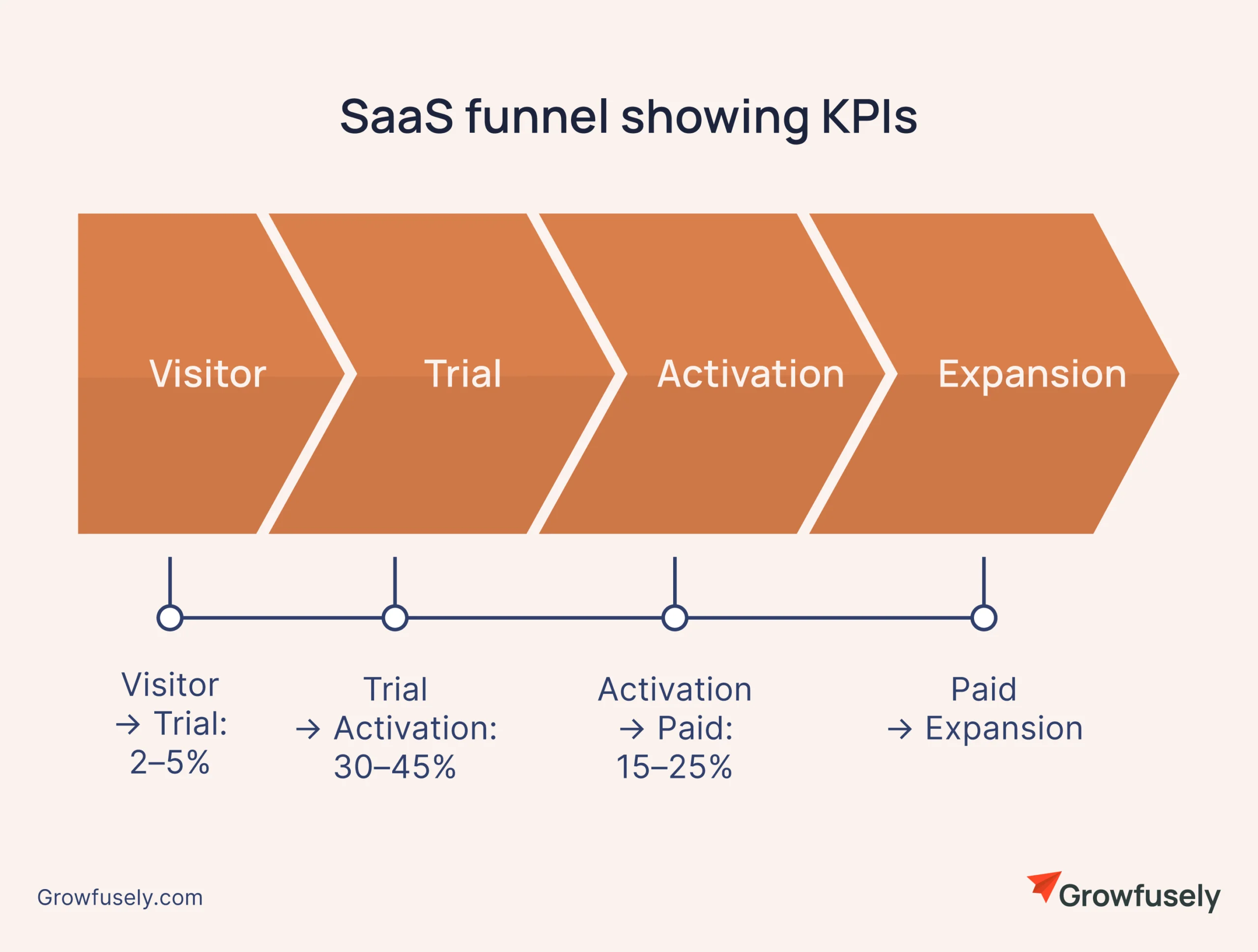
3. Visualize the Customer Journey
What is the path your customer follows in the buying lifecycle?
Visitor – trial period – activation – paid user – expansion (if the features help them achieve their objectives)
When visualizing this journey, include potential friction points and key milestones to help you navigate it effectively. Design the automation to be triggered by specific actions or user behavior.
For instance, a trial user should ideally reach their ‘AHA’ moment within 2-3 days of using the platform. If that doesn’t happen, trigger an in-app checklist for the way forward or share a short demo on how additional features can help them achieve their goals.
Similarly, if a paid member reaches the limit, notify the sales team to contact the user or send an automated in-app upgrade prompt.
Designing a workflow trigger is a nuanced process and demands a suitable automation tool that understands and responds to specific customer behavior. Some examples of practical workflow triggers include –
A welcome email to new subscribers
A personalized recommendation based on past behavior or browsing history
A re-engagement email to a previous customer who’s now inactive
4. Identify Repetitive Tasks
Conduct regular workflow audits to spot manual, repetitive tasks such as lead scoring, onboarding sequences, or renewal reminders.
Automating these processes ensures that your team uses their time efficiently on strategic, creative, and revenue-generating tasks, such as content creation or campaign optimization.
For instance, the task of checking product usage patterns can be automated, where the system can score leads based on event data and push alerts directly to sales. This need not be done manually.
5. Invest in a Suitable Marketing Automation Tool
Early in this post, we shared how you can choose a suitable automation tool for your SaaS business. An ideal marketing automation SaaS tool integrates seamlessly with your CRM, product analytics, and support stack.
For most SaaS businesses, flexibility and scalability are prime considerations. For instance, you may need a tool that orchestrates emails, in-app messaging, SMS, and paid ads from a single platform. In such a case, a platform limited to basic email automation will not work.
You may need a tool that offers features, such as behavioral triggering, journey mapping, and custom scoring rules.
6. Set up Automated Workflows
It’s time to set up your marketing automation SaaS workflow to engage customers at critical touchpoints. Any of the SaaS marketing automation tools shared earlier can help you set up workflows that ensure that communication is relevant and delivered to customers when they are most receptive.
Here are a few types of automation workflows you can set up.
Customer onboarding workflows – Sharing relevant and valuable content tailored for introducing new customers to the product and guiding them through the initial stages.
Lead nurturing workflows – Offering valuable information tailored to supporting and engaging the lead through the buying process.
Upsell/cross-sell workflows – Based on past user behavior, these workflows suggest new features, higher-tier services, and upgrades that may be of interest to the user.
Win-back workflows – These workflows are aimed at re-engaging inactive users through special offers or a feature that could re-ignite their interest.
7. Measure Success
Once your SaaS marketing automation workflow is in motion, it’s time to monitor its performance and adjust it to ensure it helps you achieve your goals.
Monitor key metrics, including open rates, click-through rates, conversion rates, customer lifetime value, and return on investment (ROI), to accurately measure and analyze success.
Additionally, A/B testing is a valuable tool for comparing various aspects of your marketing automation workflow.
Bonus! 3 Key SaaS Marketing Automation Insights That No One Will Share
SaaS marketing automation may seem complex; yet, the truth is, all you need is clear strategies and the right tools in your arsenal.
SaaS marketing automation, when done right, can help you explore opportunities for business growth and build meaningful customer relationships.
To experience the actual value of marketing automation, we want to leave you with three solid takeaways.
1. Leverage AI to Achieve Personalization at Scale
AI is a marketer’s sidekick when it comes to offering meaningful personalization to customers. Leverage the power of AI to fuel dynamic content and move your strategy forward. It can automatically populate product recommendations based on a user’s real-time browsing behaviour.
Furthermore, predictive segmentation enables the system to anticipate customer needs and behavior. For instance, it can predict when a user is most likely to churn or who is ready for an upgrade.
Thus, AI can help you create hyper-relevant experiences that drive conversions and build loyalty.
2. Beware of Data Chaos
With the wrong data strategy, the most creative and well-planned marketing automation SaaS strategy will fail.
Does this sound familiar to you?
Your customer data is scattered. The purchase history on your CRM doesn’t sync with your marketing list. The data on what customers are actually browsing on your website or app is a black box. Each part of your system holds a different piece of the puzzle.
Relatable? Such data chaos will result in your marketing automation strategy flying blind.
The strategic solution is to implement a customer data platform (CDP) that serves as the central nervous system for your entire customer journey. The platform ingests data from all your disparate sources and uses identity resolution to merge it into a unified profile for each customer.
With such reliable profiles, you can fuel your automation engine with accurate data.
3. Don’t Fall into the Autopilot Trap
Creating a system that runs independently is the ultimate goal of launching marketing automation. But in the SaaS world, automation can quickly snowball into irrelevance, eroding the effectiveness of your carefully planned engagement strategies.
The SaaS marketplace is anything but static. Customer expectations and behavior evolve. Plus, your competitors are busy catching up and introducing new strategies to capture market share.
What’s more? Your brand messaging may shift, or a new trend could render a feature irrelevant. In all these circumstances, the autopilot mode becomes background noise.
Your automation workflow is not the final product. Treat it like an ongoing campaign that needs constant optimization. Get in the ‘eternal testing’ mode and proactively test critical elements like subject lines, CTA, the value offered by features, the timing of messages, and the marketing channel being used.
Little optimization steps can compound into significant revenue growth and fetch you maximum value from your marketing automation efforts.
Summing Up: It’s Time to Turn Your Strategy into Action
Marketing automation is more than a mere platform switch. It is about bringing discipline when mapping goals, creating ICP tiers, aligning growth motions, and building lifecycle triggers.
So, what’s the way forward?
Smart SaaS marketers avoid going into the ‘automate everything’ mindset. Start small. Choose one high-impact journey and refine it before scaling.
Depending on your business priorities, you could start with trial activation, customer onboarding, or churn recovery. Ideally, you should pick a lifecycle stage where friction costs you the most.
We are sure that the information shared in this marketing automation guide will help you implement a foolproof strategy that positively impacts your revenue, retention, and expansion. Discover more SaaS-worthy insights by visiting Growfusely’s blog, where we consistently post value-adding and actionable content that fuels business growth.
Frequently Asked Questions
How is SaaS Marketing Automation Different from CRM?
CRM manages customer relationships and stores data, while SaaS marketing automation software focuses on executing and optimizing campaigns.
CRMs track interactions; marketing automation for SaaS nurtures leads, scores prospects, and triggers workflows.
Together, they create robust SaaS marketing solutions, utilizing automation tools for marketing to handle outreach at scale, while CRM keeps records organized.
What Exactly is SaaS Marketing Automation, and How is It Different from General Marketing Automation?
SaaS marketing automation refers to the use of software to streamline, personalize, and scale marketing tasks specific to subscription-based, digital products. It can be applied to activities like free-trial nurturing, feature adoption sequences, onboarding emails, in-app messaging, renewal reminders, and usage-based upsell campaigns.
While general marketing automation focuses on broad tasks (email drip campaigns, social media scheduling, and lead scoring) for various industries, SaaS marketing automation is built around the recurring-revenue model.
It prioritizes metrics such as trial-to-paid conversion, churn reduction, user activation, and lifetime value, rather than just one-time purchase conversion. Simply put, it adapts standard automation capabilities to the unique buyer journeys and product usage cycles of SaaS companies.
What Costs can I Expect When Implementing SaaS Marketing Automation?
The pricing varies based on features, usage, and service level. Basic packages seem cheaper, but costs rise with advanced features and higher usage.
You can expect expenses for SaaS marketing automation tools (subscriptions), setup, add-ons, integrations, premium support, and team training.
Pricing models often include per-user, per-usage, or tiered subscriptions, each of which influences your budget differently. Read the fine print before making a decision.
What Metrics should SaaS Businesses Track When Evaluating Marketing Automation ROI?
Key KPIs include lead-to-customer conversion rate, customer acquisition cost (CAC), customer lifetime value (CLV), and pipeline velocity. Engagement rates, churn reduction, and campaign attribution are also key measures of SaaS automation success.
High-performing SaaS marketing automation software enables data-driven insights to refine campaigns and prove ROI for marketing automation SaaS initiatives.
Do I Need a Dedicated Marketing Automation Team?
Not necessarily. Small teams can manage SaaS automation using user-friendly automation tools for marketing, while enterprises may benefit from a marketing automation strategist to run complex SaaS workflow automation.
Whether in-house or outsourced, the goal is to optimize marketing for SaaS products without overburdening resources.
How to Ensure Compliance with GDPR/CCPA When Running Automated Campaigns?
Use SaaS marketing automation tools with built-in consent management, data encryption, and opt-out workflows. Ensure every marketing automation SaaS campaign respects privacy laws, stores data securely, and honors user preferences.
The best SaaS marketing solutions enable transparent communication, lawful processing, and audits.
Why should B2B SaaS Companies Invest in Marketing Automation?
Marketing automation allows B2B SaaS firms to scale their growth efforts without increasing their headcount. By automating tasks such as lead nurturing, email campaigns, and customer onboarding workflows, businesses can deliver consistent, personalized experiences at every stage of the buyer’s journey.
Further, SaaS marketing automation improves lead scoring and segmentation, enabling sales teams to focus on high-intent prospects. It reduces acquisition costs over time and accelerates sales cycles. It also offers actionable data to optimize campaigns.
Hence, marketing automation is one of the most cost-effective methods to boost SaaS conversions and customer lifetime value.
What are the Most Important Marketing Automation Workflows for SaaS?
The below-mentioned highest-impact workflows for SaaS marketing automation help businesses deliver consistent, scalable, and personalized customer experiences.
Lead nurturing campaigns: Automatically send educational content, product guides, and use cases to move prospects through the funnel.
Behavior-based email triggers: Deliver timely, personalized emails based on user actions such as sign-ups, feature use, or cart abandonment.
Lead scoring and qualification: Automatically assign scores to leads based on behavior and demographics so sales teams can prioritize the hottest prospects.
Onboarding and activation sequences: Guide new users through setup and highlight key features to boost adoption and retention.
Renewal and upsell workflows: Remind customers of upcoming renewals, offer upgrades, or cross-sell complementary features.
Re-engagement campaigns: Win back inactive users or trial customers with targeted offers or new feature announcements.
How do I Know If My SaaS Company is Ready for Marketing Automation?
Here are a few signs that your SaaS business is ready for marketing automation.
You’re generating a steady stream of leads but struggle to follow up promptly or consistently.
Your sales cycles are getting longer or more complex, making manual nurturing inefficient.
You have repeatable buyer journeys (e.g., trials, demos, onboarding) that can be standardized.
Your marketing and sales teams are spending too much time on manual tasks such as sending emails, segmenting lists, or scoring leads.
You have a clear content or messaging strategy—automation works best when you already know what to deliver at each stage.
You’re tracking metrics (like MQLs, conversion rates, churn) but need deeper insights to optimize campaigns.
What Common Mistakes do SaaS CMOs Make When Implementing Marketing Automation?
SaaS marketing automation doesn’t bring the desired results for many companies. Here are some common mistakes that lead to poor adoption or wasted spend.
Automating without a strategy: Deploying workflows before defining goals, buyer journeys, and KPIs leads to scattered campaigns.
Poor data hygiene: Inaccurate or duplicate contact data undermines segmentation, scoring, and personalization.
Over-automation or ‘set and forget’ mentality: Treating automation as a replacement for human oversight instead of a support tool can make outreach impersonal.
Ignoring post-conversion journeys: Focusing only on lead gen emails while neglecting onboarding, feature adoption, and retention workflows.
Poor alignment with sales and customer success: If teams aren’t in sync on lead scoring and messaging, automation creates friction rather than efficiency.
Not tracking relevant metrics: Failing to track open rates, conversions, churn, and ROI makes it impossible to optimize campaigns over time.
How does Marketing Automation Integrate with My Existing Tech Stack (CRM, Analytics, Product Data)?
Modern SaaS marketing automation platforms are built to plug into the rest of your existing stack.
CRM: Syncs contact records, lead scores, deal stages, and activity logs between marketing and sales in real time, so reps know exactly how prospects are engaging.
Analytics platform: Enters campaign and user-journey data into your analytics or BI tools to track attribution, ROI, and cohort behavior.
Product usage data: Connects to your app or data warehouse to trigger in-app messages, feature adoption emails, or renewal workflows based on real user actions.
Support tools: Feeds engagement data into CS platforms so teams can proactively reduce churn or identify upsell opportunities.
How do I Maintain a Human Touch When Everything is Automated?
SaaS marketing automation works best when it enhances rather than replaces human efforts and touch. Use data-driven segmentation to send contextually relevant messages, keep your tone conversational, and trigger alerts like demos or renewals for a real person to step in at key moments.
Make sure the copy is updated regularly and the timing is perfect so that the automated touchpoints feel timely, personalized, and human, not robotic and mass-produced.
Can Marketing Automation Work for PLG (Product-Led Growth) Companies?
The short answer is yes, and let us explain.
In a PLG model, marketing automation complements the product experience rather than replacing it. You can trigger onboarding emails, in-app tips, and upgrade nudges based on actual usage data. Further, you can guide trial users to ‘aha’ moments faster and re-engage dormant accounts.
When done well, marketing automation amplifies self-serve growth while freeing teams to focus on strategic, high-touch interactions with high-value users.
How do We Ensure Compliance with GDPR/CCPA When Automating Campaigns?
Build privacy into your workflow from the beginning. Collect necessary data with clear opt-in forms, store it securely, and make consent preferences easy to manage.
Segment contacts based on lawful bases for processing, honor “do not track” and deletion requests promptly, and keep a track of permissions. Review your policies regularly to keep your automated campaigns within the GDPR and CCPA regulations.
How do I Align Sales and Marketing Teams around Automation?
Start with a shared definition of leads, lifecycle stages, and success metrics so that the sales and marketing teams know what each workflow is meant to achieve.
Involve the sales team when setting up triggers, lead scoring, and nurture paths so the hand-off feels seamless. Regular joint team reviews of automation can help in spotting bottlenecks and tweaking the messaging. This will keep the MQLs flowing smoothly while giving sales the confidence in the processes.
What is the Role of AI And LLMs In SaaS Marketing Automation Today?
AI and large language models (LLMs) power the smart layer of marketing automation. They analyze customer and product-usage data to predict behavior, score leads more accurately, and surface the best next action. They can also generate or personalize copy, subject lines, and in-app prompts at scale.
When used well, the combination makes SaaS marketing automation faster, more adaptive, and more relevant without adding headcount.
How Much Should a SaaS Company Budget for Marketing Automation?
Budgets vary based on the company’s goals and the scale at which marketing automation is being adopted. However, SaaS firms usually allocate 5–15% of their overall marketing spend to automation tools and execution.
Startups and small businesses often start at a few hundred dollars per month for basic platforms. Growth-stage or enterprise SaaS often invests thousands monthly.
How can Automation Help Reduce Churn?
Marketing automation lets you spot and act on early churn signals. It connects to product-usage data, allowing marketers to trigger personalized tips, reminders, or offers when engagement drops, guide customers to underused features, and schedule timely renewal or upgrade nudges.
The automated feedback surveys and alerts also flag risky accounts early, allowing teams to act fast. This makes automation more of a retention engine than a mere acquisition tool.


 About Growfusely
 White LabelMake us your (hidden) helping hand in delivering high-quality work to your SaaS clients.
 TeamCheck out the faces (and their backstories) behind our brand.
 Partner With UsJoin forces with us and earn a recurring monthly commission.
 Careers We're HiringJoin our growing team of passionate content marketing geeks.
 SEO & AI Search VisibilityBoost your search engine rankings with a blend of compelling content and technical tweaks.
 Content Strategy & ProductionFuel your brand awareness and user acquisition with strategic content creation and distribution.
 Authority & CitationsEarn relevant, high-quality backlinks from top websites in and around your niche.
 SaaS InfographicsLearn battle-tested best practices on all things SaaS marketing — visually.
 SaaS InterviewsRead our tête-à-têtes with SaaS marketing experts on achieving content-driven organic growth.